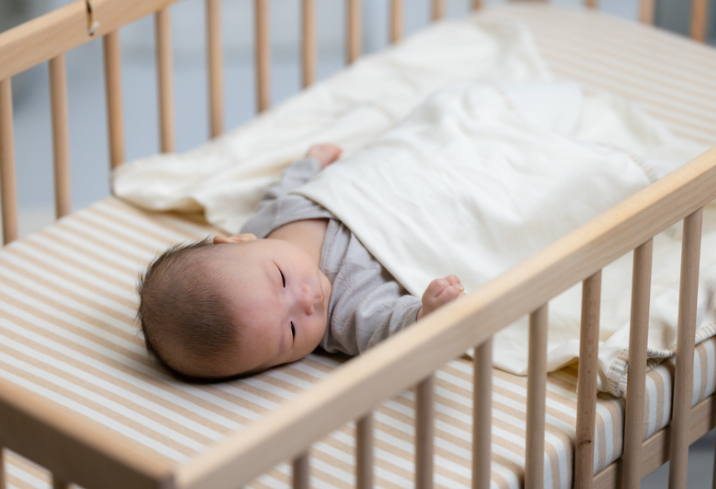
If you’re in the market for a baby mattress, you will encounter all kinds of mattresses. If the different materials don’t confuse you, then the wide price range will leave you wondering if you’re making the right choice. After all, a high price tag doesn’t necessarily translate to the best mattress for kids.
There are several factors you should have in mind, besides price, when buying a kids mattress.
Safety Features
When buying a baby mattress for infants and young children, their safety should be a priority. Most infants and toddlers sleep unsupervised, and you need to ensure they are safe, even if you have a baby monitor. It usually takes a few minutes for accidents to happen, and you may not be in a position to act fast.
You can proactively prevent accidents by choosing:
- A baby mattress that fits the bed snugly: Measure the bed’s dimensions to ensure you get the right kids’ mattress size.
- A firm mattress: Not only will this ensure the baby remains in the right sleeping position, but it will also prevent the risk of suffocation. The spine will also have the best support. You can test the mattress by pressing the centre. If it snaps back, it is firm enough.
- Breathable material: Infants sleep for close to 16 hours daily, and you need to have a breathable material to keep them safe and comfortable. The material should also be free of harmful chemicals, which may cause respiratory issues.
- Certifications: One way to confirm that the kids mattress is safe is by checking the certification. The best mattress for kids should be certified to confirm it doesn’t have volatile organic compounds (VOCs), mercury, lead, and other chemicals. For example, the GOTS (Global Organic Textile Standard) certification shows the mattress is made from at least 95% approved organic fibres.
- Longevity: Infants tend to sleep in the same spot on the baby mattress, especially in the first few months. If the mattress is of poor quality, as they gain weight, they will leave an impression on the mattress as they sleep.
- Waterproof material: Some mattresses have protective material that is easy to clean. While some mattresses come with a protective cover, some kids mattress materials require a separate waterproof cover. 3D spacer covers that promote air circulation.
- Size & weight: A baby mattress with an inner spring tends to be heavier than a foam mattress. The spring mattress is firmer, but because of its weight, you may have more trouble changing the sheets.
- Warranty: Confirm that the kids’ mattress has a warranty. This will protect you from losses, especially if there are manufacturing defects.
If your friends or family have a used baby mattress, you may be tempted to get it, especially if it is free or cheap. However, unless you know its history, it may be best to get a new mattress. Besides the risk of a compromised quality, the used mattress may have hidden mold, which is a safety hazard.
When you follow the given checklist, you will undoubtedly get the best mattress for kids of different ages.